Read on for a helpful way to encourage your child
Mistake 1: Unwittingly encouraging the anxious behaviour
What is the most natural thing to do if your child is upset? Of course, it’s to comfort them, to cuddle them, to hug them. Don’t get me wrong … I’m absolutely NOT saying don’t comfort them! I am NOT saying don’t be sympathetic. But, in psychological terms this is known as a ‘reward’!
What I AM saying is … Don’t OVERDO it! Keep the comforting ‘briefish’ while still being comforting and calming and then distract their attention if at all possible
Be on the lookout for calm and confidence in other situations
Keep your eyes and ears open for a bit of confident behaviour at any other time … probably completely unrelated … because this gives an excellent opportunity to ‘reward’ them for confident behaviour with a hug or a cuddle
At the inner, unconscious level they are learning that their confident behaviour is being appreciated … and unconscious learning can often be more effective and long lasting. No need to say anything!
Mistake 2: Focussing on the child’s anxiety
Another mistake is to talk about the child’s anxieties to other people in front of the child. Remarks such as the following not only focus on the anxiety but also label the child as anxious and so perpetuates this view of themselves
For example: “He’s always been an anxious child”, “She gets so anxious going into school every single day”, “Not surprising he’s anxious … he’s just like his Dad!”
You might be surprised how often I hear these things in my therapy sessions!
Mistake 3: Owning their children’s problems as their own
Some parents actually ‘own’ their children’s problems. The number of parents who make comments like these might surprise you!
“Well, we have real problems with anxiety in our house. We get very upset in the morning when we get ready to go to school … We can’t even go to friends’ houses because we just get too upset”
So how can you help?
- Very gradually reduce the time spent on ‘comforting’… reduce don’t stop!
- Give more attention and praise when you catch them doing anything calmly and confidently
- At first even if you see them being a bit less distressed than usual is worth a word of praise
A very helpful way to encourage your child
A few years ago some research was done about a very good way to ‘reward’ your child’s positive and confident behaviour unobtrusively. Instead of using words to praise the child, use the power of positive touch. This was often found to be more effective than constant ‘over-the-top’ words of praise that the child frequently doesn’t believe
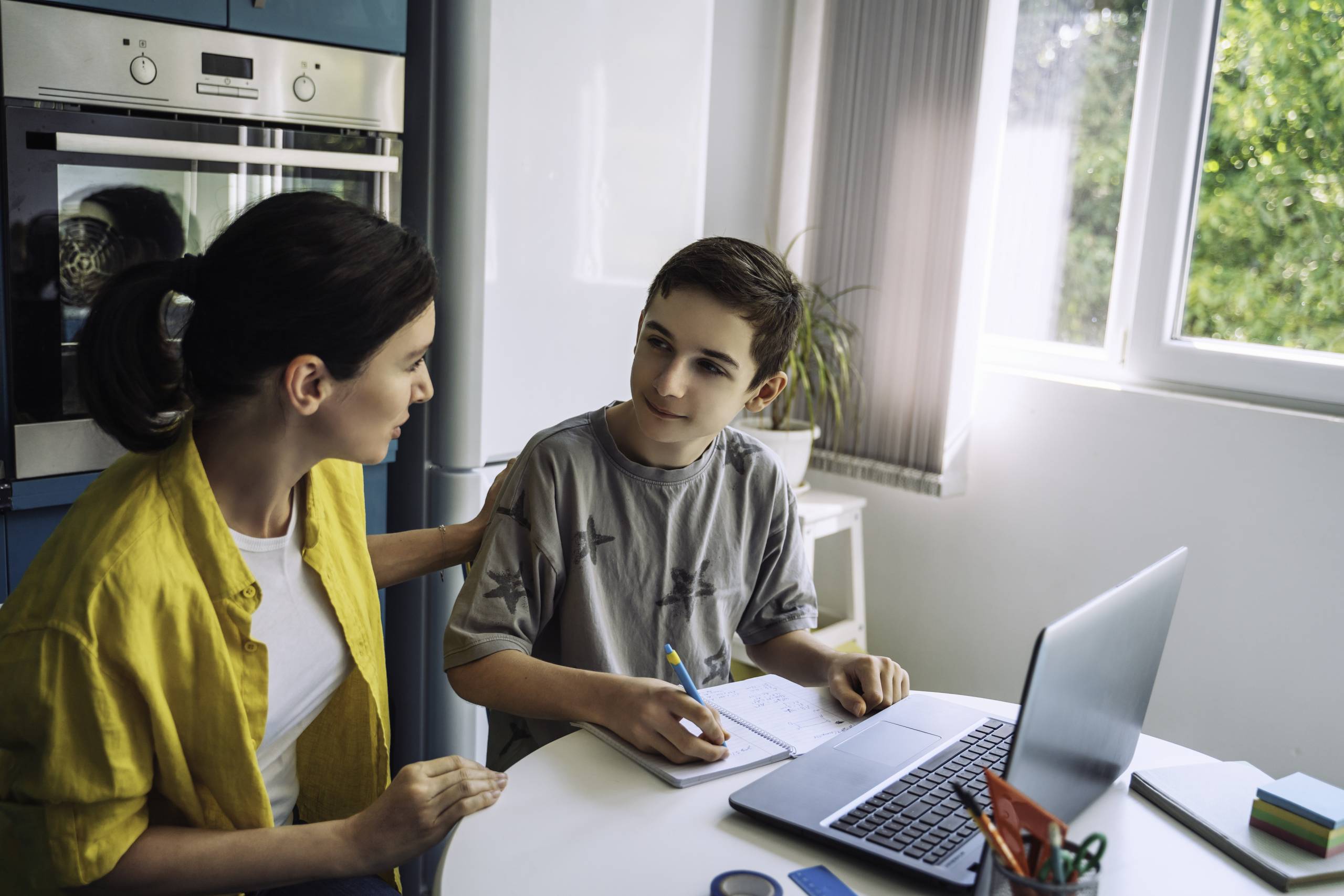
So, this is what you do (See photo above)
When you notice that your child is doing something in a confident way, give them a little rub or pat on their outer upper arm about midway between the shoulder and the elbow! This particular place on the arm seems to be particularly ‘praise sensitive’! Do it sometimes … not always or it is too obvious
The research found that this form of positive attention was often more effective than words.
Obviously, it’s vital to do this in an unobtrusive and natural way!
Don’t overdo it!
Keep the ‘pat’ or ‘rub’ as close as possible to the confident mood or behaviour
It works so well because the positive feedback is noticed at the inner unconscious level and is easier to believe than just words
DON‘T do it every single time … It’s more effective when it is not noticed as a deliberate strategy
Helpful audios
Remember that these audios for different age groups have been found remarkably helpful for calming anxiety and confidence building. Suggested ages are approximate
https://www.firstwayforward.com/product/love-school/ Age 4-6 yrs
https://www.firstwayforward.com/product/be-confident-be-brave-be-strong/ Age5-8 yrs
https://www.firstwayforward.com/product/let-your-worries-fly-away/ Age 5-9 yrs
https://www.firstwayforward.com/product/confidence-believe/ Age 10-15 yrs
https://www.firstwayforward.com/product/let-go-of-anxiety/ Age 10-15 yrs